
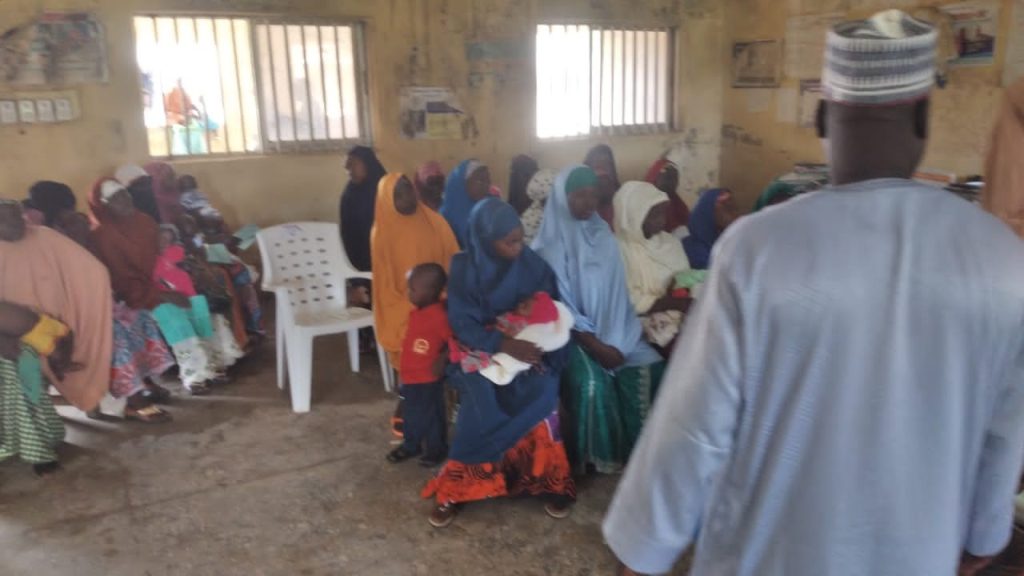
WCI Aims and Objectives:
WCI seeks to address the health and socio-economic challenges (hunger, poverty, diseases & lack of access to education) faced by women, girls, and children in underserved and disadvantaged populations globally. The organization mobilizes resources from donors, private donations and collaborate with government institutions, national and international stakeholders, community and women leaders, as well as CSOs, CBOs, FBOs, and affected communities to design and implement systematic solutions that tackle poverty, hunger, poor health outcomes, low literacy, disease outbreaks, gender inequality, insurgencies, communal conflict, and climate change crises.
Specifically, the organization ought to achieve the following:
- Advancing Women & Children’s Health and Well-being Toward Reducing Maternal and Child Mortality and Disease Outbreaks
WCI aims to improve the health and nutrition of women and children, with a specific focus on reducing maternal and child mortality rates. The organization addresses critical health challenges, such as malnutrition, access to maternal healthcare, and disease prevention, to ensure healthier outcomes for vulnerable populations. Key strategies include:
- Providing access to maternal and child health-nutrition services.
- Implementing programs to combat malnutrition and support pregnant & breastfeeding mothers.
- Strengthening health systems to prevent and control disease outbreaks, such as malaria, measles, cholera, diarrhea, etc.
- Educating communities on preventive health measures and safe childbirth practices.
- Advancing Children’s Education, Young Women, Adolescent Girls’ Literacy Levels
WCI seeks to promote children’s educationand literacy rates among young women, and adolescent girls, particularly in underserved areas and conflict zones. Education is a powerful tool to break the cycle of poverty, and WCI strives to provide inclusive, quality education. The objectives include:
- Enhancing access to primary & vocational education for children and girls in both communities & IDP camps.
- Providing gender-sensitive education programs that address the specific needs of young women and girls.
- Supporting literacy campaigns and after-school programs to improve educational outcomes.
- Encouraging community involvement and support for the education of girls and children.
- Advancing Women & Adolescent Girls’ Food Security& Sustainable Means of Livelihood Against Hunger and Poverty
WCI works to improve the economic empowerment of women and girls, ensuring that they have consistent access to nutritious food. Addressing job & food insecurity is vital for the overall economic well-being of women, girls & children. Key objectives include:
- Promoting sustainable agricultural practices, financial inclusion, and vocational education to enhance food security.
- Building community-based food systems/empowerment programs to reduce dependence on external aid and promote long-term food security.
- Advancing Gender Equality, Disability Inclusion, and the Roles of Women in Decision-Making
WCI is dedicated to promoting gender equalityand disability inclusion, ensuring that women and girls are empowered to participate fully in society. A core objective is to elevate the role of women and girls in decision-making processesat all levels. This includes:
- Advocating for women’s rights and their equal participation in governance and leadership roles.
- Promoting inclusive policies and practices that provide equal opportunities for women, girls, and individuals with disabilities.
- Encouraging community-based efforts to dismantle cultural and social barriers to gender equality.
- Empowering women and girls (most especially, the people living with disability) through education, economic opportunities, and leadership training.
- Advancing Women and Children’s Access to Clean Drinking Water, Hygiene Education, and Sanitation
Access to clean water, proper sanitation, and hygiene education is fundamental to the well-being of women and children. WCI aims to reduce waterborne diseases and improve public health through sustainable water, sanitation, and hygiene (WASH) initiatives. Key objectives include:
- Expanding access to clean drinking water in underserved communities, particularly in rural areas and crisis zones.
- Implementing hygiene education programs to teach communities about handwashing, sanitation practices, and safe water use.
- Building or improving sanitation facilities such as latrines and waste disposal systems.
- Promoting water conservation and sustainable water management in the face of climate challenges.
- Building Women and Youth Resilience Against Climate Change & Natural Disasters
WCI is committed to enhancing the resilience of women and youth in the face of climate change and natural disasters. With Africa being particularly vulnerable to climate-related crises, the organization focuses on equipping communities to adapt to environmental challenges. Key objectives include:
- Strengthening disaster preparedness and response mechanisms, particularly for women and children.
- Implementing climate-smart agricultural practices to ensure food security and livelihood resilience.
- Supporting women and youth in adopting sustainable environmental practices and renewable energy solutions.
- Providing training and resources to help communities recover and rebuild after natural disasters and climate shocks.
- Advancing Research and Data-Driven Decision Making for the Uplifting of the Wellbeing of Women & Children
WCI emphasizes the importance of evidence-based solutions and data-driven decision-making to improve the lives of women and children. The organization seeks to advance research and use data to develop, evaluate, and refine interventions. Key objectives include:
- Conducting research on the most pressing health, education, and socio-economic issues facing women and children.
- Collaborating with academic institutions, policymakers, and local communities to gather and analyze data.
- Using research findings to advocate for policy changes that support women’s and children’s well-being.
- Continuously monitoring and evaluating WCI’s programs to ensure they are effective and impactful.